Per Aspera Ad Astra
Updated: Nov 1, 2021
"Silently, one by one, in the infinite meadows of heaven, Blossomed the lovely stars, the forget-me-nots of the angels.”
by Henry Wadsworth Longfellow in Evangeline: A Tale of Acadie
Per aspera ad astra (latin) = Through hardship to the stars (English)

To distract myself from all the pain the world is going through, I threw myself into a small project. For many of us in this world, we are not really alright . Whether it be Covid-19 or other disasters in general.
I made a constellation projector. You can just buy it of course, but what fun is that? It's cool, is it not? Here's, how you can make your very own constellation projector.
1. Make a globe-like structure. A dodecahedron is a great choice and is not too difficult to make. How do you make that? Well, I am glad you asked. First of all, you take a piece of card and draw out this net here:
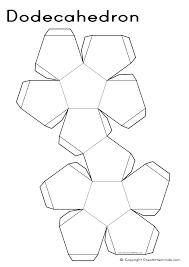
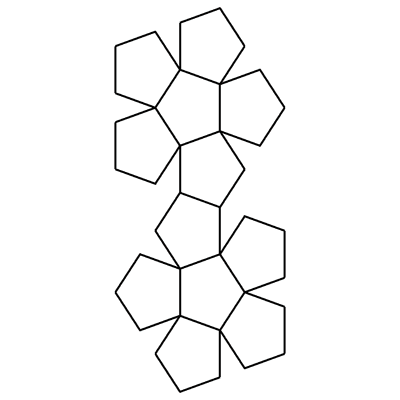
2. Next you cut it out.
3. Fold the flaps.
4. Now carefully take a needle or sharp pencil and poke holes into the card. It helps if you hold the card against a piece of cardboard or a pillow. (If you poke holes randomly, it wont really be a constellation projector, but it would definitely look pretty nonetheless.)
5. Optional but for the above step, you can actually coordinate it with actual relative locations of stars we see. You will have to coordinate it properly with the southern and northern hemisphere thing though. I don't actually recommend doing this, but I would totally do it. At least putting the important constellations, you know what i mean? You can decide what the important constellations are, but I would put the navigational ones (listed below).
6. Now assemble your dodecahedron but one side will have to be left out. So you should have 11 pentagons only.
7.Put a flashlight of some sort into the hollow space you have created.
8. Turn of all the lights and you should see stars on your ceiling.
That is the simple version. I wanted to make this more scientific but I decided to leave it simple. (Just kidding, for those of you interested in the more "science" version, just scroll to the bottom later)
I would have liked to include my final results here but my camera is not of enough quality to capture the effect.
I also made a playlist to listen to while looking at my ceiling. People feel different things when they look at the stars. Some feel happy some awestruck, some melancholic and others just terrified. So this playlist is for you existentialists I suppose.
Colour Me Blue by Akane
Violet Et Fane by Akane
Fourth of July by Sufjan Stevens
Quiet Resource by Evelyn Stein
Norwegian Wood by Evelyn Stein
Deepest Woods by Kiara Leonard
What The Rain Whispered Softly by Jef Martens
Here's a happy song
Bright by Echosmith
I could not help myself but I just had to give a book recommendation that just fits so well with this post. It is a literary masterpiece from the language alone, but the characters are just mwah. You cannot change my mind.
Aristotle and Dante Discover the Secrets of the Universe by Benjamin Alire Sáenz
The Science
Light Pollution
If you cannot see the stars at night, blame the place you live. If you live in a tropical country, where there is low air pressure, you can expect it to be difficult to see the stars at night due to the clouds. That is the reason why most pictures of the night sky are taken at the North Pole or in deserts.
The second factor would be how close you live to the city. Light pollution is the main reason us city dwellers cannot see the stars at night. I have found two super useful links about light pollution and I would really suggest looking into it because it is fascinating (and sad actually).
The Constellation Projector
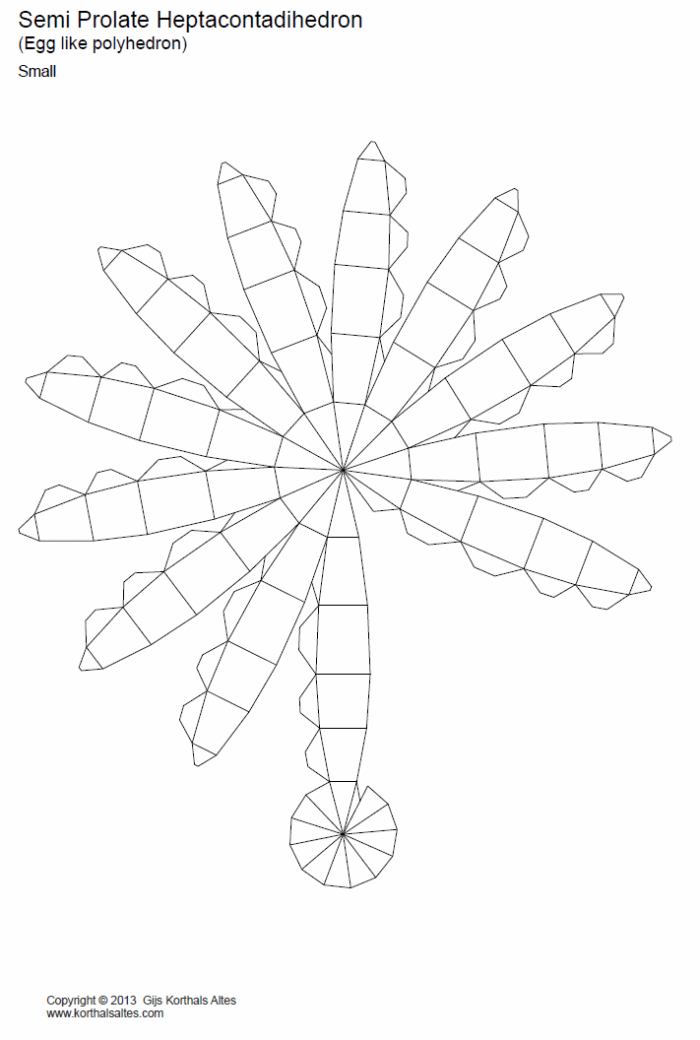
As for the scientific aspect of the the constellation projector, you could use a globe net, but you will have to manipulate it a little with some instinct. You take the net of the globe and mark lines for the latitude and longitude. It does not have to be precise. Then, with the help of a star chart, mark with dots the stars of the constellations you wish to make. Then carry on with the rest of the steps. Make sure to cut open a bit of the bottom to make space for the light source. The other thing that you will have to consider is the fact that the size is kind of the key to how focused and strong the projections will be. So the bigger the "globe", the more focused the projections. With some physics you can figure it out if you like. As well as that, it would be preferable of course, if the ceiling was low. (Projections get less focused as the distance increases).
Common Stars
Ursa Major
Ursa Minor
Cassiopeia
Orion
Crux
Centaurus
All the 12 Zodiac constellations
Navigating With Stars
Of course taking a course would be the best for this but I feel that at surface level, these are the things you should know.
Here is an infographic:

Here is a link to some websites:

Image credit: Photo by James Wheeler from Pexels
Conclusion
I hope my instructions were clear and easy to follow. I have included a lot of resources and I hope you have either learned something or felt some joy while reading this post.
That's it for now.

∩――――∩ || ∧ ヘ || || (* ´ ー`) ZZzz |ノ^⌒⌒づ` ̄ \ ( ノ ⌒ ヽ \ \ || ̄ ̄ ̄ ̄ ̄|| \,ノ||―――――||
-Lemon Farmer



Comments